

Nature Tourism: Exploring the Beauty of the Natural World
Introduction
Nature tourism is a form of travel that focuses on experiencing natural environments in their most authentic and untouched state. It includes visits to mountains, forests, rivers, lakes, deserts, and coastal areas where travelers can enjoy scenic beauty, wildlife, and outdoor activities. In recent years, nature tourism paddy city resort has become increasingly popular as people seek relaxation, adventure, and a break from busy urban life. It not only offers physical and mental refreshment but also promotes awareness of environmental conservation.
The Appeal of Nature Tourism
One of the main reasons nature tourism attracts so many travelers is its simplicity and purity. Unlike urban tourism, which is filled with crowded attractions and commercial entertainment, nature tourism offers peace and quiet. People can breathe fresh air, listen to natural sounds like birdsong or flowing water, and enjoy landscapes that feel untouched by human development.
Mountains, in particular, are a favorite destination for nature lovers. Hiking trails, panoramic viewpoints, and cool climates make mountain tourism both exciting and refreshing. Forest tourism also plays an important role, offering opportunities to explore biodiversity, observe wildlife, and learn about different ecosystems.
Activities in Nature Tourism
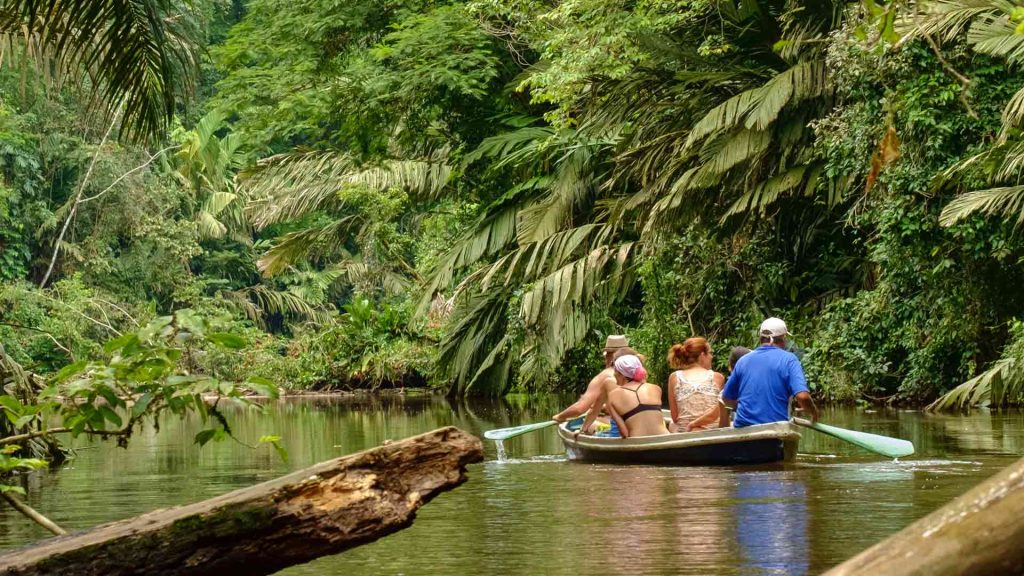
Nature tourism includes a wide variety of outdoor activities that suit different interests and fitness levels. Popular activities include hiking, camping, fishing, birdwatching, kayaking, and photography. These activities allow travelers to connect deeply with nature while staying physically active.
For adventure seekers, activities like rock climbing, trekking, and white-water rafting provide excitement and challenge. On the other hand, those looking for relaxation can enjoy picnics by lakes, forest walks, or simply meditating in peaceful surroundings.
Environmental and Educational Benefits
Nature tourism is not only about enjoyment; it also has educational and environmental value. Travelers often learn about ecosystems, conservation efforts, and the importance of protecting natural resources. Many nature tourism destinations promote eco-friendly practices such as waste reduction, sustainable lodging, and wildlife protection programs.
This type of tourism encourages people to appreciate the environment and understand the impact of human activity on nature. As a result, it can inspire more responsible behavior and support global conservation efforts.
Economic Impact
Nature tourism also contributes significantly to local economies, especially in rural and remote areas. It creates job opportunities for local communities, including tour guides, lodge owners, transportation providers, and craft sellers. When managed responsibly, nature tourism helps improve living standards while preserving cultural and environmental heritage.
Conclusion
Nature tourism offers a meaningful way to explore the world while reconnecting with the natural environment. It combines relaxation, adventure, education, and sustainability in a single experience. As more people recognize the importance of mental well-being and environmental protection, nature tourism will continue to grow in popularity. By traveling responsibly and respecting nature, visitors can help ensure that these beautiful landscapes remain preserved for future generations.