


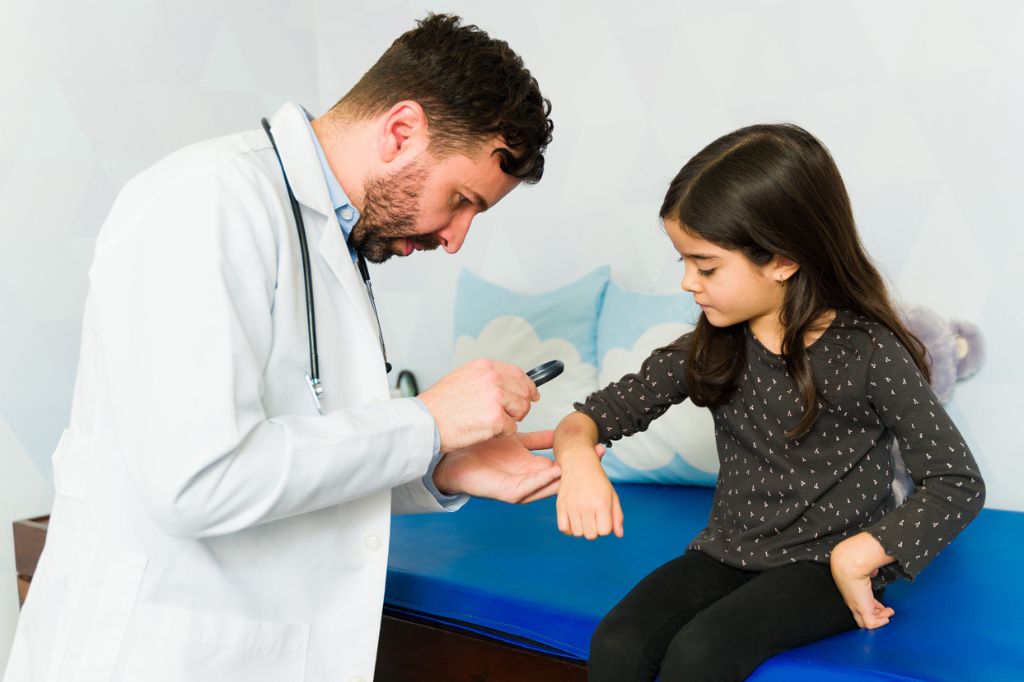
Pediatric Dermatology: Managing Sensitive Skin from Infancy to Adolescence
For a parent, few things are as distressing as seeing their child uncomfortable. Whether it is a newborn with a mysterious “baby rash” or a teenager struggling drtitoriaclinics.com with persistent eczema, pediatric skin conditions require a delicate balance of medical expertise and gentle care. As we move through 2026, the field of pediatric dermatology has seen a significant shift, moving away from reactive treatments toward a proactive, “barrier-first” philosophy.
The Vulnerability of Young Skin
A child’s skin is not simply a smaller version of adult skin. It is thinner, more permeable, and its sebaceous (oil) glands are not yet fully active. This makes pediatric skin more susceptible to irritants, infections, and rapid moisture loss.
In specialized centers like Dr. Titoria’s Clinics, the focus for young patients is on preserving the acid mantle—the thin, protective film on the skin’s surface. When this barrier is disrupted, it leads to the “itch-scratch cycle” that defines many childhood skin disorders.
The New Era of Eczema Management
Atopic Dermatitis (eczema) remains the most common pediatric skin concern, affecting up to 25% of children worldwide. In 2026, the American Academy of Dermatology (AAD) issued groundbreaking new guidelines that emphasize early, proactive intervention.
-
The “Soak and Seal” Method: Modern treatment emphasizes lukewarm daily baths followed immediately by the application of thick, fragrance-free emollients to lock in moisture.
-
Targeted Biologics: For children with moderate-to-severe eczema that doesn’t respond to creams, 2026 has seen the expansion of “targeted therapies.” These medications, such as dupilumab, specifically block the inflammatory pathways causing the itch, offering relief without the side effects of traditional systemic steroids.
-
JAK Inhibitors: The rise of topical JAK inhibitors has provided a new, non-steroidal option for children as young as two, helping to calm inflammation with high precision.
Navigating Common Childhood Rashes
Beyond eczema, pediatric specialists manage a variety of conditions that often “mimic” one another:
-
Infantile Hemangiomas: Often called “strawberry marks,” these vascular birthmarks are now managed with highly effective beta-blocker treatments (like propranolol) that can shrink the lesion without surgery.
-
Molluscum Contagiosum: These small, pearly bumps are common in school-age children. While they eventually resolve on their own, 2026 treatments focus on painless, office-based applications to prevent spreading to siblings or classmates.
-
Diaper Dermatitis: Modern management has moved toward “barrier pastes” containing high concentrations of zinc oxide and frequent “air time” to allow the skin to breathe.
The Role of Parental Education
In pediatric dermatology, the parent is the primary “treatment provider.” Success depends on a partnership between the doctor and the caregiver. Experts emphasize that education is just as important as the prescription—teaching parents how to identify triggers (like certain laundry detergents or heat) and how to apply medications using the “Fingertip Unit” (FTU) method to ensure safety and efficacy.
Conclusion
Treating a child’s skin requires a blend of advanced science and a “soft-touch” approach. In 2026, we are no longer just “waiting for them to grow out of it.” By utilizing modern barrier-repair strategies and the latest targeted medical therapies, we can ensure that a child’s skin remains a comfortable, healthy shield, allowing them to focus on what matters most: being a kid.
