


Tank – History, Function, and Role in Modern Warfare
Introduction
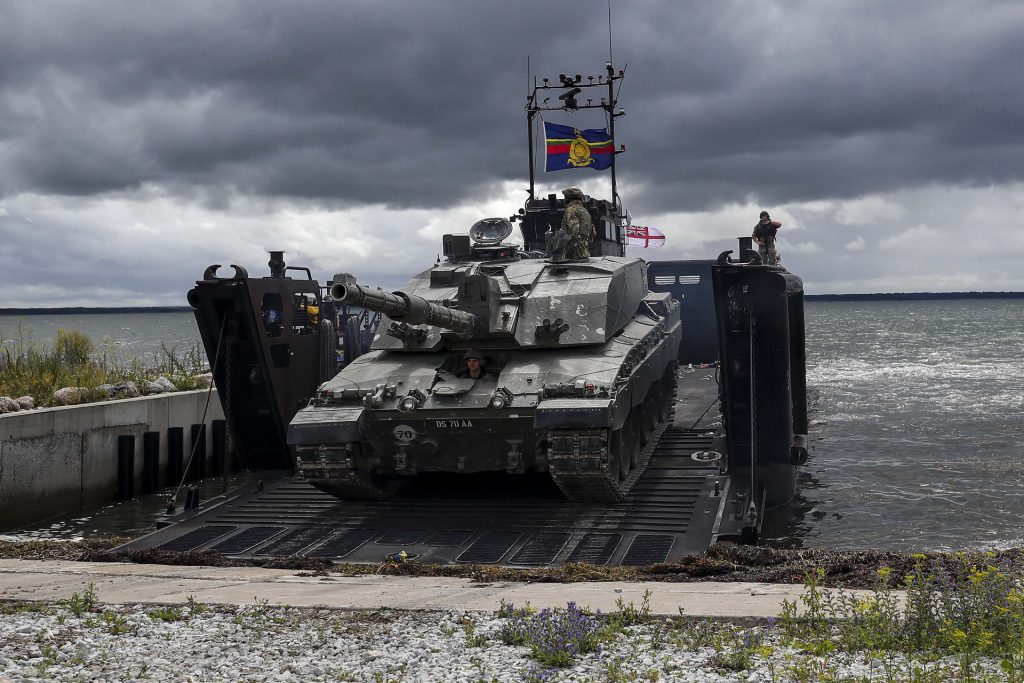
A tank is a heavily armored combat vehicle designed to operate on the battlefield. It combines firepower, protection, and mobility, making it one of the most powerful ground systems in modern military forces. Since its introduction in the early 20th century, the tank has become a key element in land warfare strategies around the world.
The Origin of Tanks
Tanks were first developed during World War I as a solution to the problem of trench warfare. Traditional infantry struggled to cross heavily defended trenches, barbed wire, and machine-gun fire. Early tanks were slow and mechanically unreliable, but they introduced a new way of breaking through enemy defenses.
The British were among the first to deploy tanks in combat, and although primitive, these early models proved that armored vehicles could change battlefield dynamics.
Evolution Through the World Wars
During World War II, tanks became more advanced, faster, and more heavily armed. Countries such as Germany, the Soviet Union, the United States, and the United Kingdom invested heavily in tank development.
Famous tanks like the German Tiger tank and the Soviet T-34 played major roles in large-scale battles. This era established tanks as a central force in military strategy, capable of leading offensives and supporting infantry movements.
Main Features of a Tank
Modern tanks are designed with three core principles:
- Armor Protection: Thick steel and composite materials protect the crew from enemy fire
- Firepower: A large-caliber main gun allows tanks to engage targets at long range
- Mobility: Powerful engines and tracked wheels enable movement across rough terrain
These features work together to make tanks effective in both attack and defense roles.
Types of Tanks
Tanks can be categorized based on their roles:
1. Main Battle Tanks (MBT)
These are the most common modern tanks, designed to handle multiple combat roles including frontline battle and support operations.
2. Light Tanks
Light tanks are faster and more mobile but have lighter armor. They are often used for reconnaissance and quick strikes.
3. Heavy Tanks (Historical)
Heavy tanks were more common in earlier wars. They had thick armor and strong firepower but were slower and harder to maneuver.
Tanks in Modern Warfare
Today, tanks remain important but operate alongside advanced technology such as drones, aircraft, and missile systems. Modern tanks use digital targeting systems, thermal imaging, and advanced communication tools to improve battlefield effectiveness.
Despite technological changes, tanks still provide strong ground support and are considered essential in many military strategies.
Challenges and Limitations
While powerful, tanks are not invincible. They can be vulnerable to modern anti-tank weapons, air attacks, and difficult terrain. This has led to continuous upgrades in armor technology and defense systems.
Conclusion
Tanks have evolved from slow, experimental machines into highly advanced combat vehicles. They played a major role in https://www.99formed.com/ shaping 20th-century warfare and continue to be important in modern military operations. Their combination of strength, protection, and mobility makes them one of the most iconic machines in military history.
